Friday, August 28, 2009

A $100 De Maria, Kim Gordon, Daily NYC History, etc. [Collected]


Allan D'Arcangelo, Wing Two, 1982 at at Mitchell-Innes & Nash. Photo: 16 Miles [more]

Friday, August 21, 2009

Thursday, August 20, 2009

Hitler: Artist, Curator, Art Collector


The New York Times, August 6, 1937.

Hitler's rejection from the Academy of Fine Arts Vienna as a young man has long been lamented as one of those tiny, isolated historical events that could have changed everything. "If only he had passed the drawing test." While he's largely been considered a poor, at best mediocre, artist, Guardian writer Peter Beech recently argued that his paintings aren't that bad. "In fact, they're quite sweet," he writes.

After that failure there wasn't much art in Hitler's life until the mid-1930's, when he famously ordered Adolf Ziegler to confiscate "degenerate work" from around Germany. Particularly egregious examples were assembled in an exhibition that began in Munich in 1937 and eventually travelled around the nation. Meanwhile, the Chancellor demanded that the federal government attempt to collect all of his early paintings to ensure their preservation.

Though I'd never read about it (until stumbling across the article excerpted above), it turns out that Hitler curated a simultaneous show of "German" art (the Times uses quotation marks in their report, as well) at the New House of German Art in Munich. Unfortunately for him, the attendance at the "degenerate art" show far outpaced the turnout for his effort 396,000 to 120,000, a source of major embarrassment, according to the Times, which reported that "most newspapers suppress[ed]" the figures.

Striking an ominous tone, the wireless report noted that the crowds at the "degenerate" show included "many German art students to whom this exhibit is presumably their last opportunity to study modern art..." Hitler (and Goering) eventually bought many works from the sparsely-attended show that Hitler assembled. "[T]he highest price - 15,000 marks - being paid for Constanca [sic] Gerhardinger's Peasant Family at Grace."

Last week Michael Kimmelman questioned the power of art to alter everyday life, noting that "it won’t make sense of a senseless murder or help change the mind of a violent bigot." That frank admission provoked harsh rebukes from some corners. Former SFMOMA and Whitney director David Ross, for example, wrote on Twitter that Kimmelman's "lack of belief in art as an agent of social change has long been clear. Now its really clear. So sad." That seemed a little harsh. Art is not able to prevent violence or hardship or poverty. Nor can art instill morality, ethics, or a respect for the law. Have you felt like a better person after looking closely at a work out of art? We might look at art to feel good, but we never look at it to become good.

However, Kimmelman argues that, while "the arts won’t save us, we should save them anyway. Because the enemies of civilized society are always just outside the door." Art represents a society's highest faith in itself. Its goodness is a necessary illusion. Hitler's vision for his society and its faith was disgusting and twisted, but he understood that game. Thankfully, the public, in deciding what to view and support, gets a major voice in deciding how that project concludes.

In 1937 the German people and visitors to the country picked the "degenerate" work over Hitler's "regenerate" exhibition. The supposedly invincible Fascist had to buy in the works from the show he curated. Today, Gerhardinger, the top seller at the New House of German Art is lost to history, while many of the "degenerate" artists (among them Kandinsky, Klee, and Kirchner, just to name the most notable names beginning with K) are seminal, foundational figures in 20th century art.

Monday, August 17, 2009

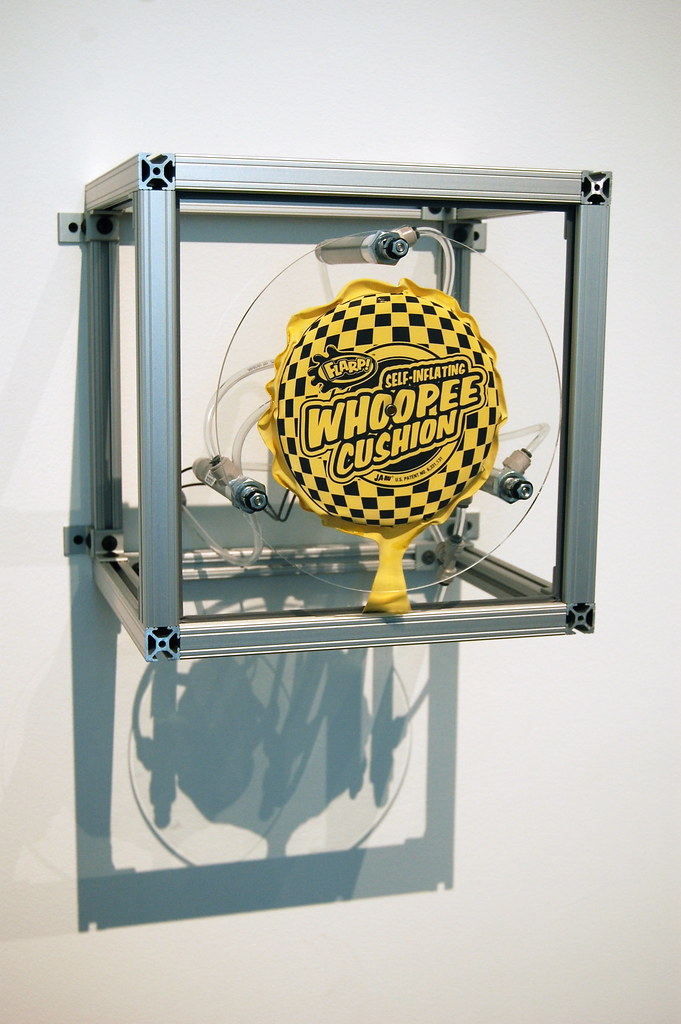
Jim Green at the Denver Museum of Contemporary Art


Jim Green, Unplugged, 2009. Video: R. Russeth [photographs]
"I consider myself a sound artist, using sound to engage the public with humor and surprise. For this project, I tried to produce a work that was also visually animate. As the modules pump back and forth, they produce an exuberant mix of contrasting rhythms out of the signature flarp of the Whoopee Cushion."
- Jim Green


Jim Green, Unplugged, 2009. Photos: 16 Miles


Jim Green
Denver Museum of Contemporary Art
1485 Delgany Street
Denver, Colorado
Through August 30, 2009
[more photographs]

Thursday, August 13, 2009

Blood Drive at Zach Feuer Gallery [Photographs]


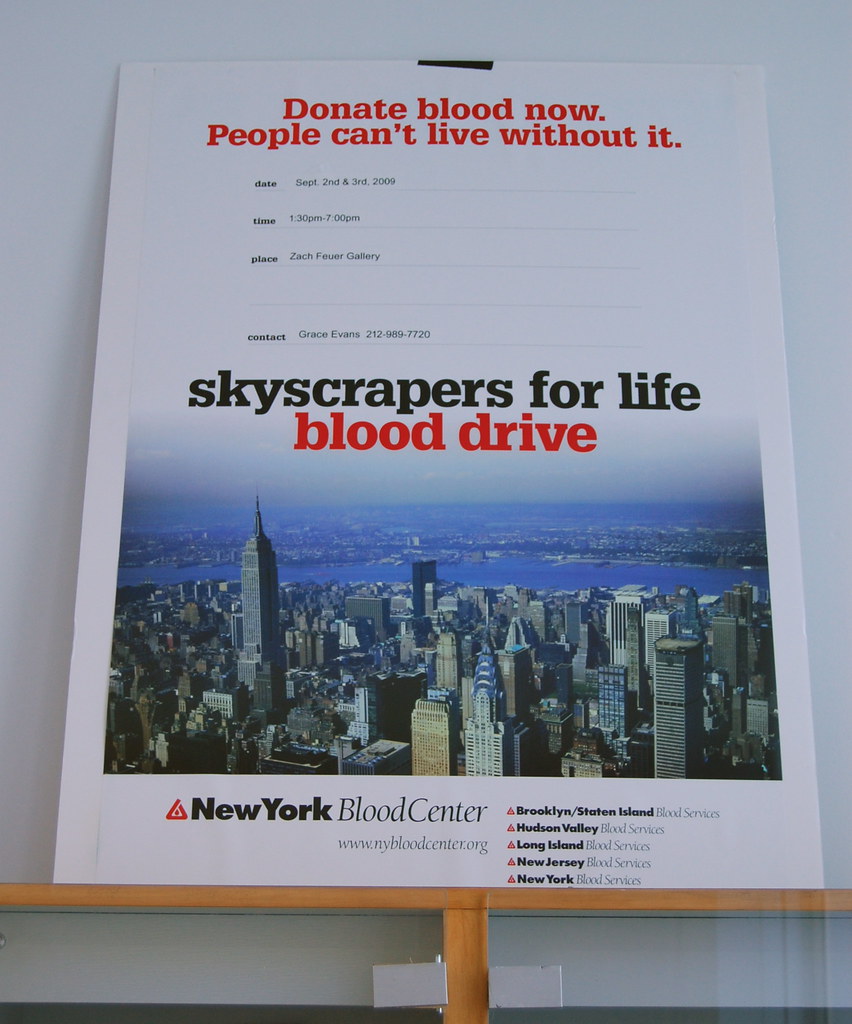
Blood Drive [installation views], compromised by Kate Levant, at Zach Feuer Gallery. Photographs: 16 Miles [more]

Blood Drive features work by Noel Anderson, BOBO, Brian Faucette, Michael E. Smith, Elaine Stocki, Jacques Vidal, and the show's "compromiser" Kate Levant, a Yale MFA student. The group exhibition concludes with a two-day blood drive on September 2nd and 3rd.


530 West 24th Street
New York, New York
Through September 3, 2009

Wednesday, August 12, 2009

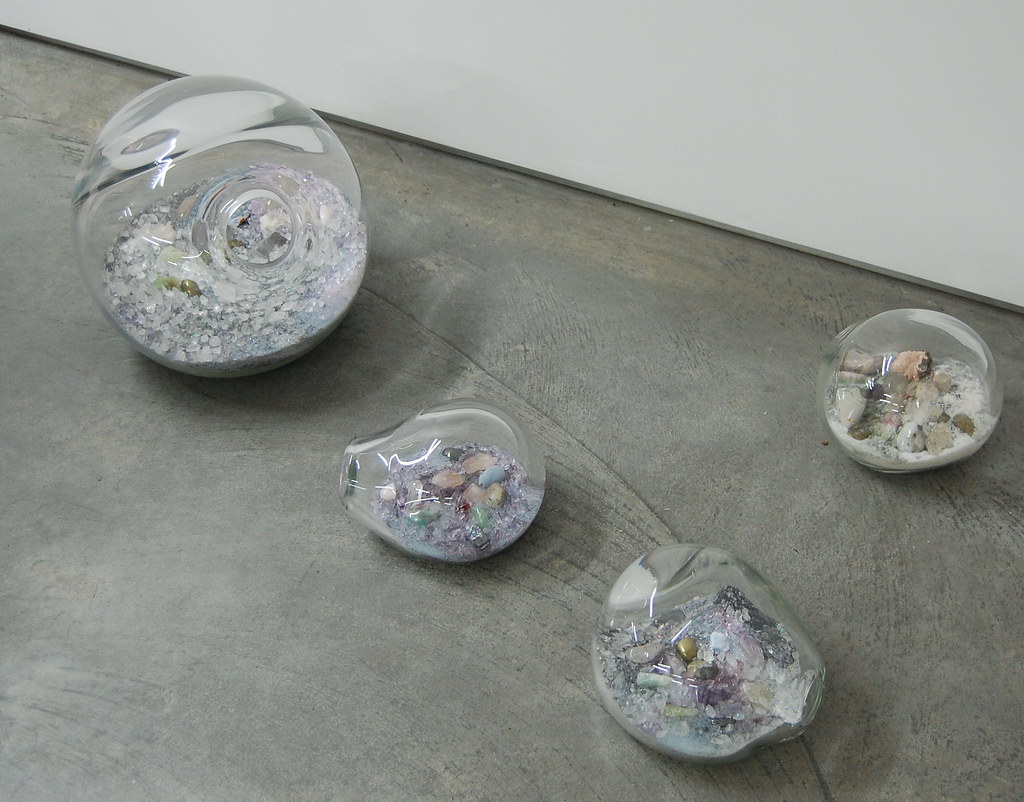
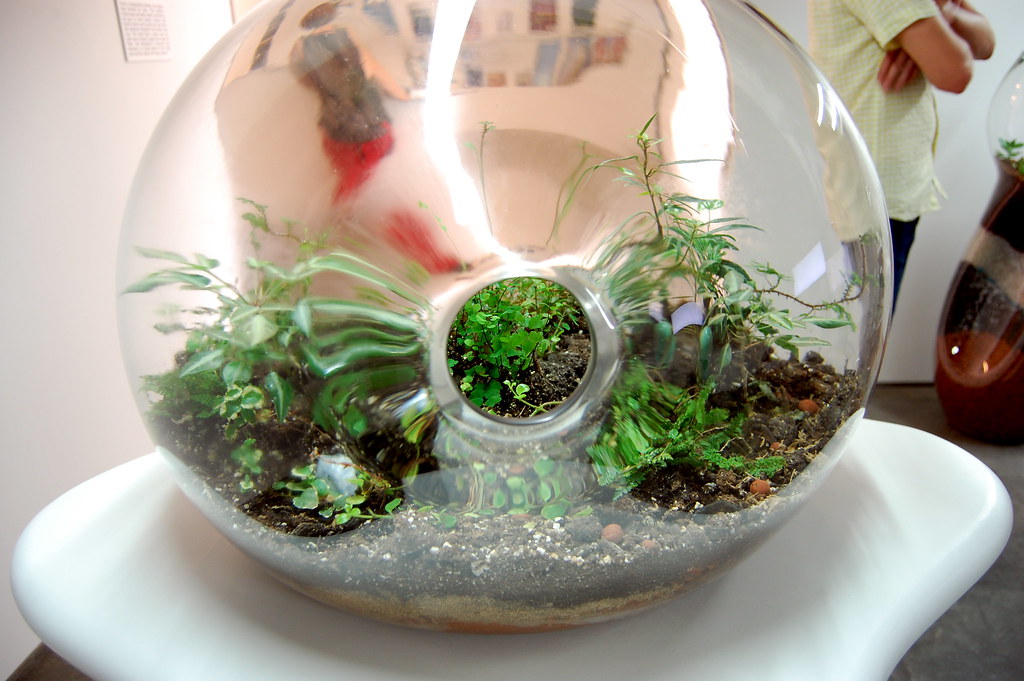
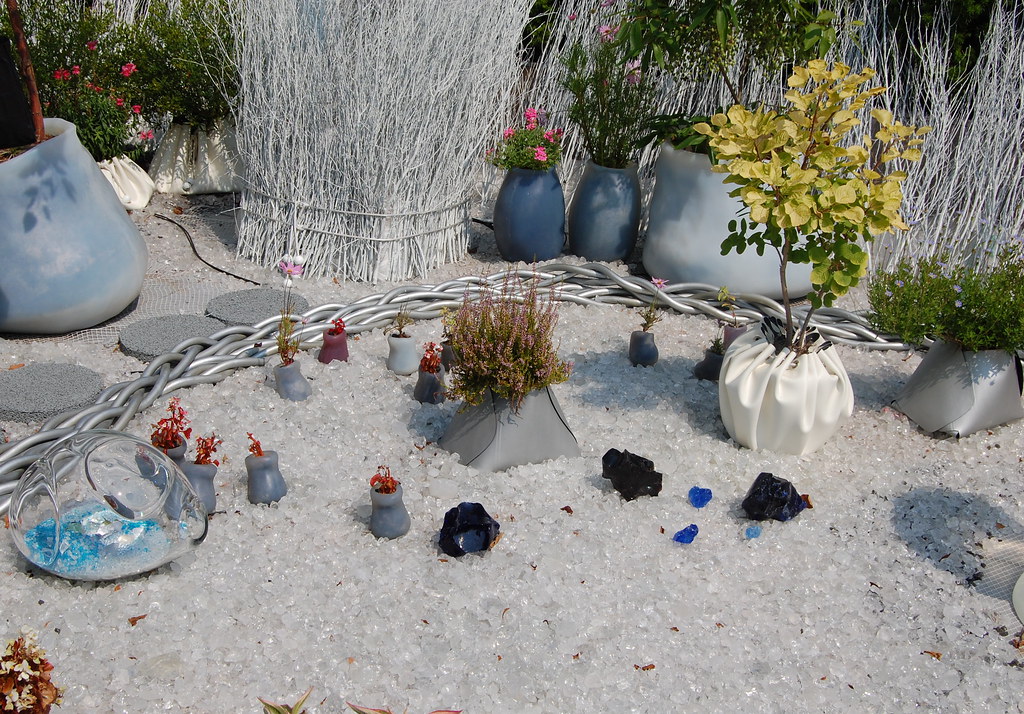
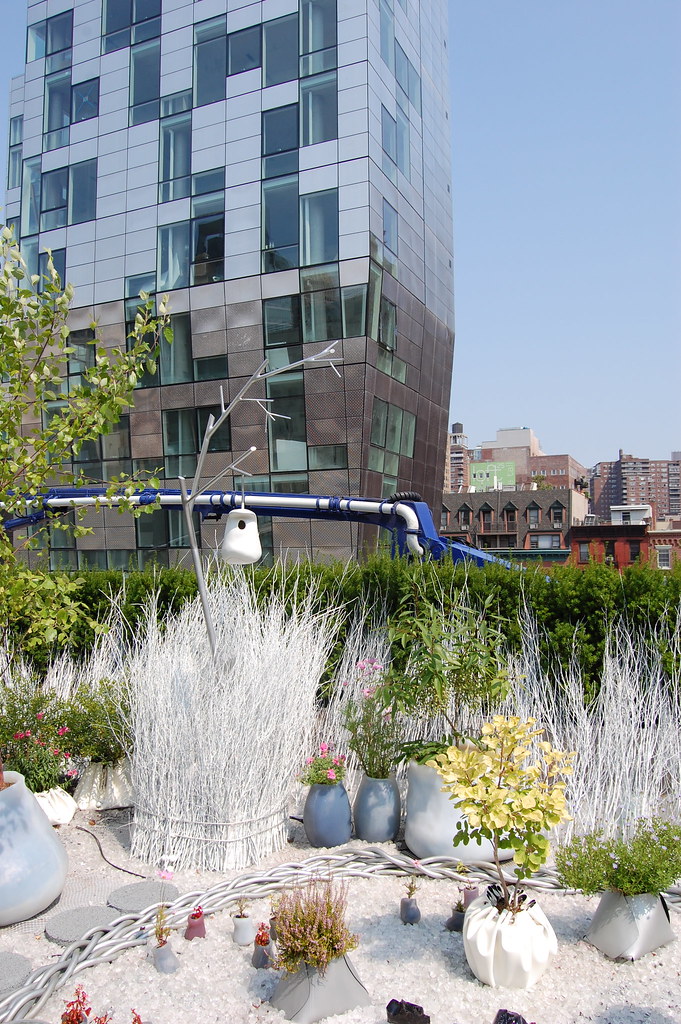
Paula Hayes, Excerpts from the story of Planet Thear, at Marianne Boesky [Photographs]


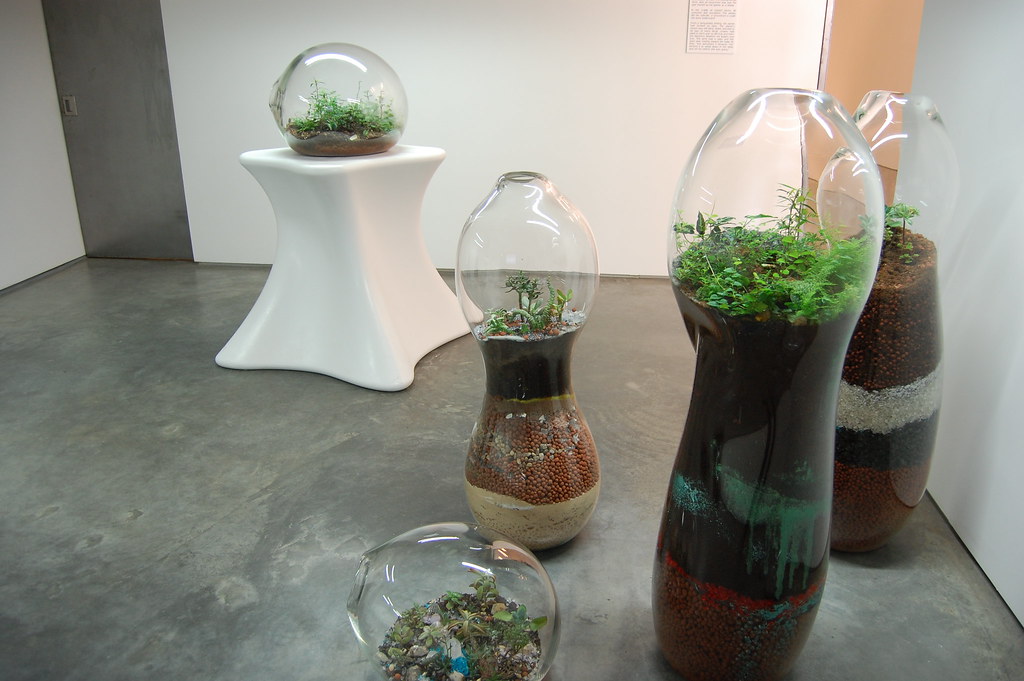
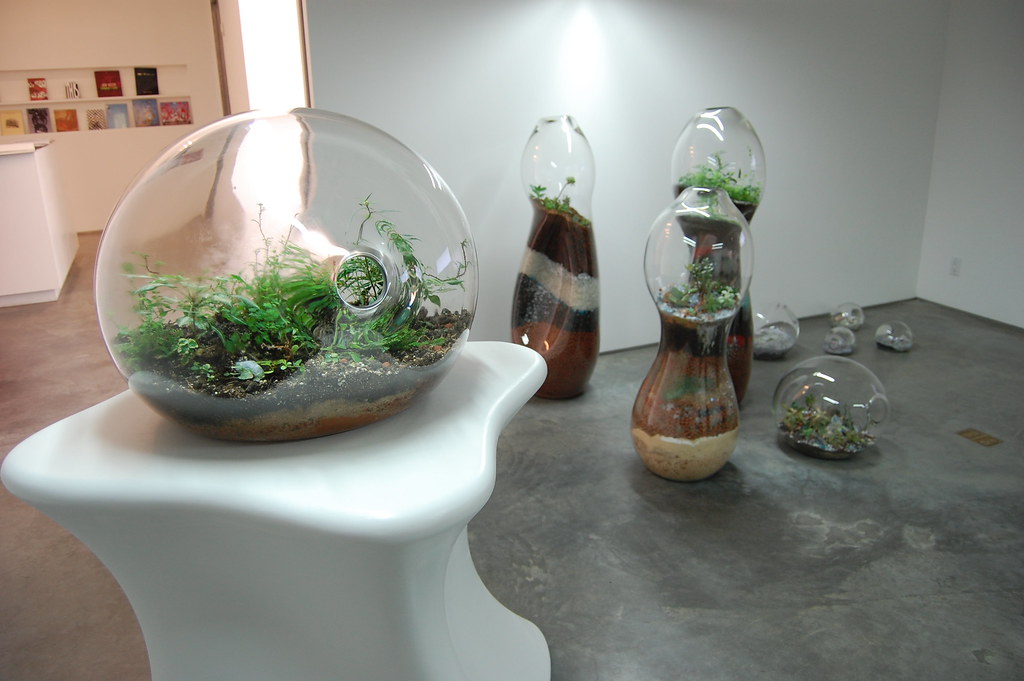
Paula Hayes, Excerpts from the story of Planet Thear [installation views], at Marianne Boesky Gallery. Photographs: 16 Miles [more]


Marianne Boesky has some absurdly delicate and fragile-looking glass pieces on display in her project room and rooftop. At 11 am, 1 pm, 3 pm, and 5 pm you can head upstairs to view Hayes' installation, which shields the barbecue and dining area from the view of the High Line. The Times ran a nice piece on Hayes recently and one on Boesky's art collection and home two years ago. This is a high point.

Tuesday, August 11, 2009

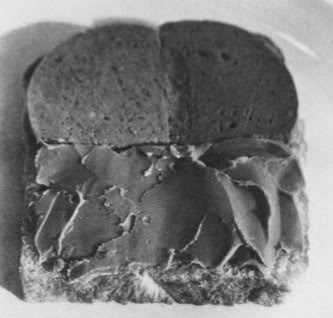
Before Artists' Burgers: "The Sandwiches of the Artist"


Mark Rothko, Brown and Gray Sandwich, 1963. Liverwurst and peanut butter on white bread, with crusts removed.

I spent most of yesterday coveting each of the delicious, artist-themed burgers served up at The Laundromat over the weekend. C-Monster and Winglike have wonderful coverage. The Robert Smithson burger was shaped in a spiral (and featured pickles embedded in the bun), the giant Rachel Harrison burger was an awkward assemblage of burger staples (and a plastic army figure), and the Jeff Koons looked like a Jeff Koons.

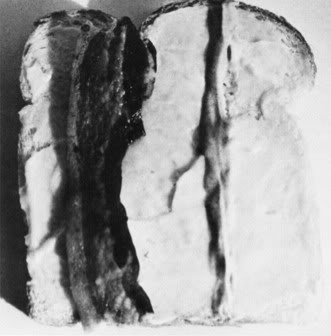
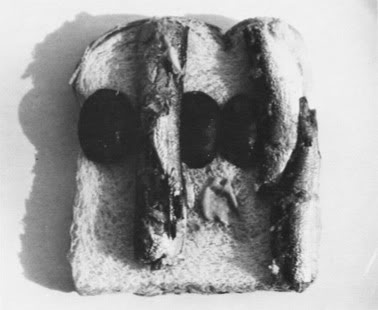
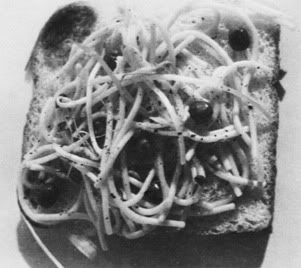
It reminded me of one of my all-time favorite pieces ever published in the staid journal of art history October back in 1981 called "The Sandwiches of the Artists." Part of the Art World Follies issue that included Douglas Crimp's infamous "The End of Painting" and Rosalind Krauss's seminal attack on biographically-grounded art history, "In the Name of Picasso", the piece, by curator and canon E. A. Carmean Jr., was a work of rigorous, joyous frivolity, featuring sandwiches in tribute to the century's great modernists, prefiguring this weekend's cookout almost three decades in advance.


Barnett Newman, Sandwich 9, 1964-1965. Bacon and mustard on white bread.

In Carmean's detailed research on the eating habits of the artists, we learn that Gorky initially ate sandwiches like Picasso and Cézanne before coming under the influence of de Kooning and Miró, who introduced him to the pastry tube and thin spreads of condiments. Still, he was a traditionalist at heart, Carmean emphasizes. "Gorky continued to create his lunches in the nineteenth century fashion, by first making small cracker versions..."


Robert Motherwell, The Anchovies for the Spanish Olives, No. 78 (Moutarde), 1957. Anchovies and olives on mayonnaise, with mustard, on bread.

There's no free online version, unfortunately, but I've posted four of Carmean's most delightful creations. (You can access the full version through the redoubtable JSTOR.) There're also sandwiches by de Kooning and David Smith, alongside photos of Motherwell enjoying lunch, Gorky and Breton brandishing bagged lunches and truffle forks on a picnic, and Rothko fretting on the telephone over the cost of liverwurst.


Jackson Pollock, Sandwich No. 20 (Almond Ribbons), 1950. Pasta and vegetables on bread.

"Between 1940-1945 Pollock began to stack this meat, inspired by Picasso's Jambon quiches of the surrealist period. ... Breaking with previous traditions [in 1950], he created the meatless meal on bread; 'I am a garden,' he once said to Hans Hoffman."

The final bit of relevant culinary news is that L'Ecole in New York debuted a cocktail in honor of Donald Judd last week composed of tequila and cassis.

Monday, August 10, 2009

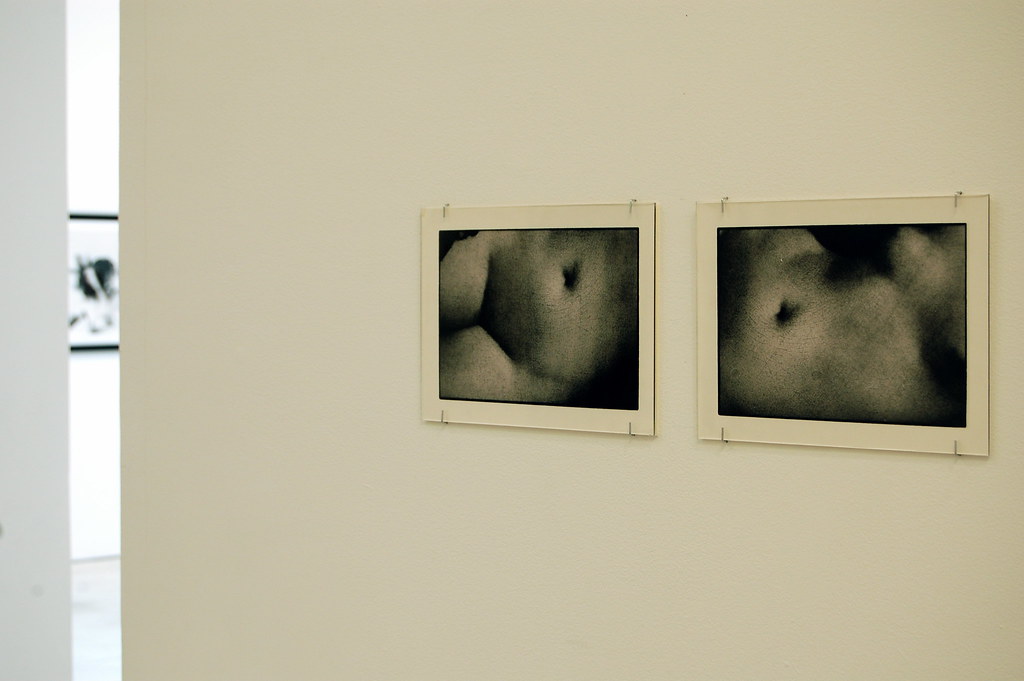
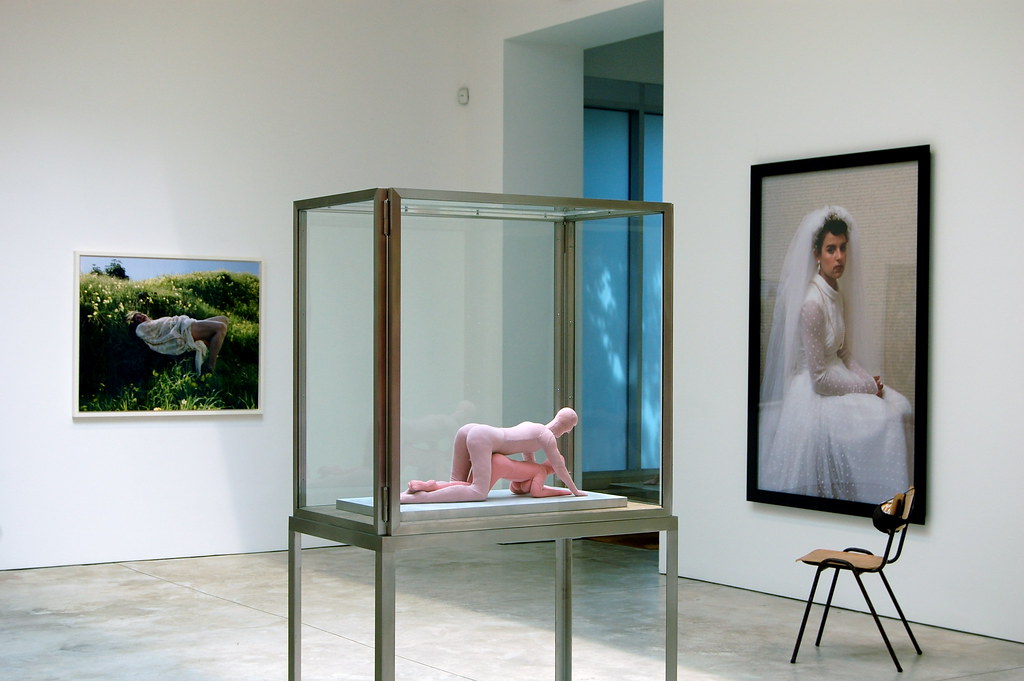
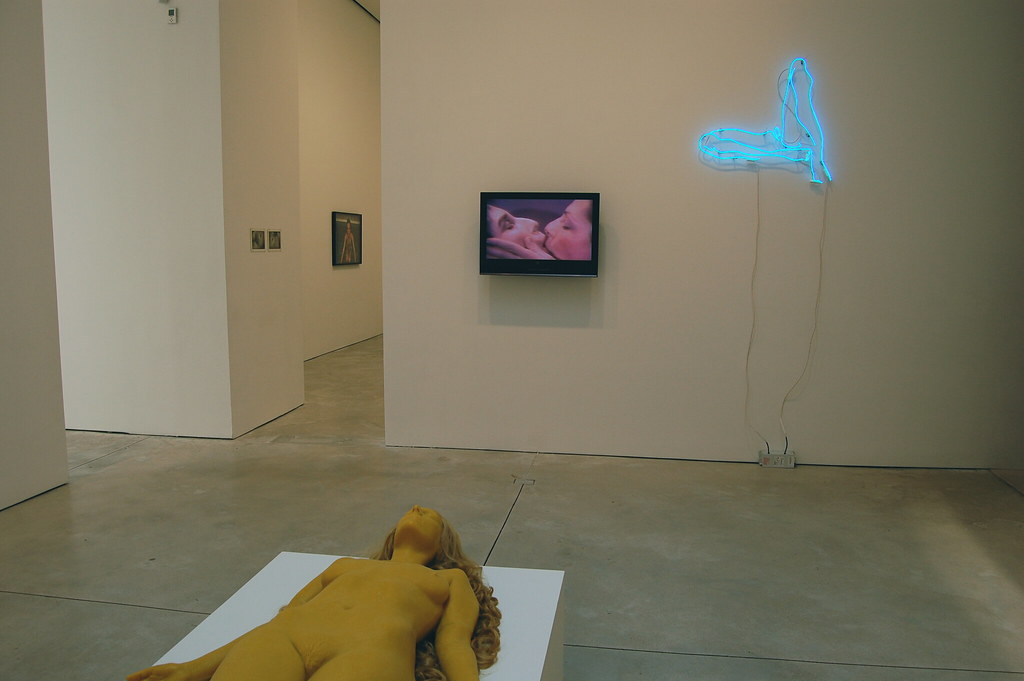
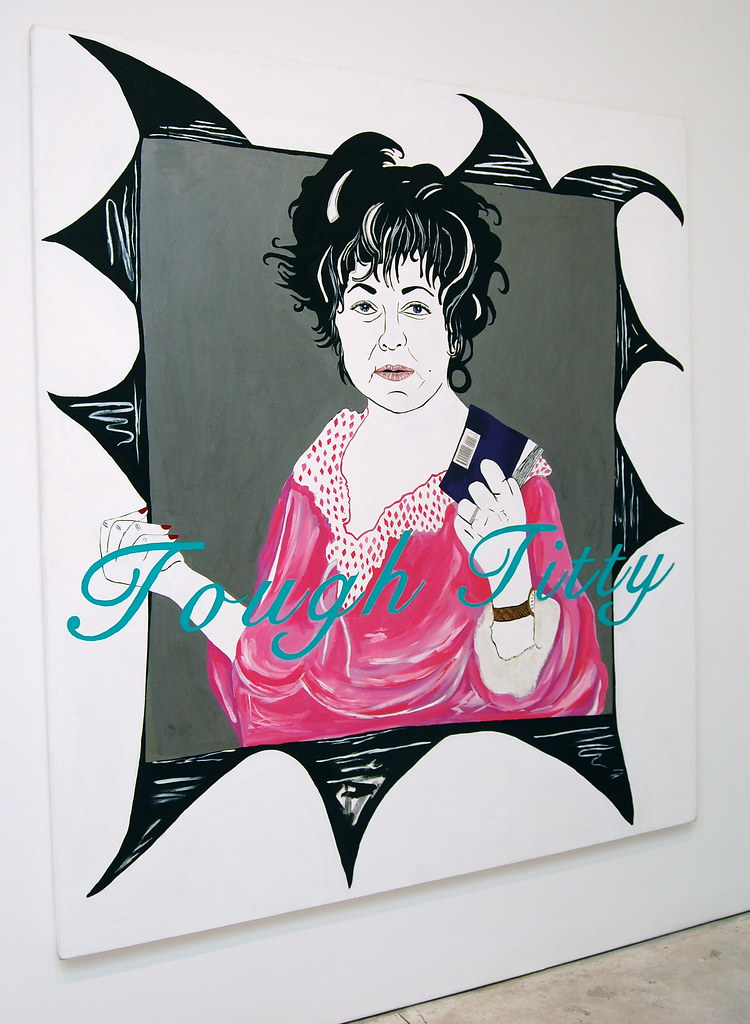
The Female Gaze: Women Look at Women at Cheim & Read [Photographs]


[right] Zoe Leonard, Untitled, 1988-1990. Photographs: 16 Miles [more]


[center] Louise Bourgeois, Couple, 2004.


Marina Abramović, Art Must Be Beautiful, Artist Must Be Beautiful [detail], 1975.


The Female Gaze [installation view] at Cheim & Read.


Kathe Burkhart, Tough Titty: From the Liz Taylor Series (Candid Shot), 1999.


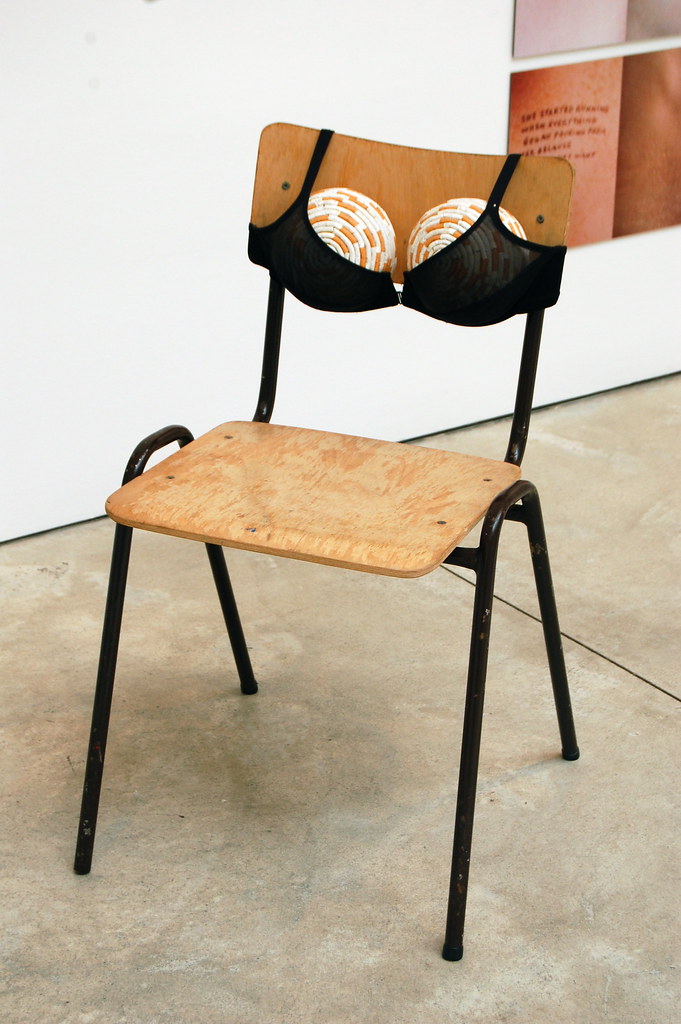
Sarah Lucas, Cigarette Tits II [Idealized Smoker's Chest II], 1999.


[left] Marina Abramović, Art Must Be Beautiful, Artist Must Be Beautiful [detail], 1975.

The Female Gaze: Women Look at Women
Cheim & Read
547 West 25th Street
New York, New York
Through September 19, 2009
[more photographs]

Saturday, August 8, 2009

New York Photography and Discoveries at Bruce Silverstein


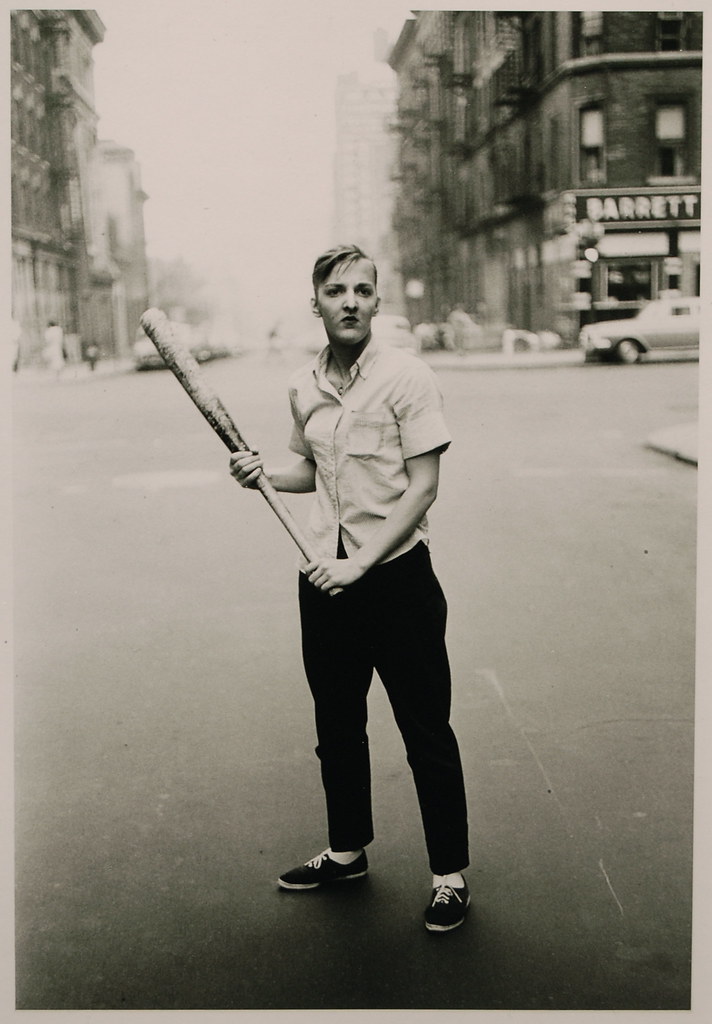
Diane Arbus, Teenager with a Baseball Bat, NYC, 1962. Photographs: 16 Miles [more]

It is an incredible summer for photography over in Chelsea. Yossi Milo's filled almost their entire back wall with a slew of photographs around the theme Sex and the City: lots of making out, public nudity, and craziness around New York but also more reserved debauchery like the photograph of a couple making out underneath Tony Rosenthal's Alamo tagged with graffiti.

It turns out that it's all part of an initiative by New York photography galleries to showcase work about New York this summer. Other participating galleries: Bonni Benrubi, Danziger Projects (which - bizarrely - happens to be hanging the same gorgeous, hyper-detailed Sze Tsung Leong photo of Paris as Yossi Milo right now), Deborah Bell, Edwynn Houk, Howard Greenberg, Hasted Hunt, Janet Borden, Laurence Miller, Pace/MacGill, Robert Mann, Julie Saul, and Yancey Richardson. This is the height of accessibility and pleasure in picture-viewing: time to invite normally-hesitant friends out to Chelsea.

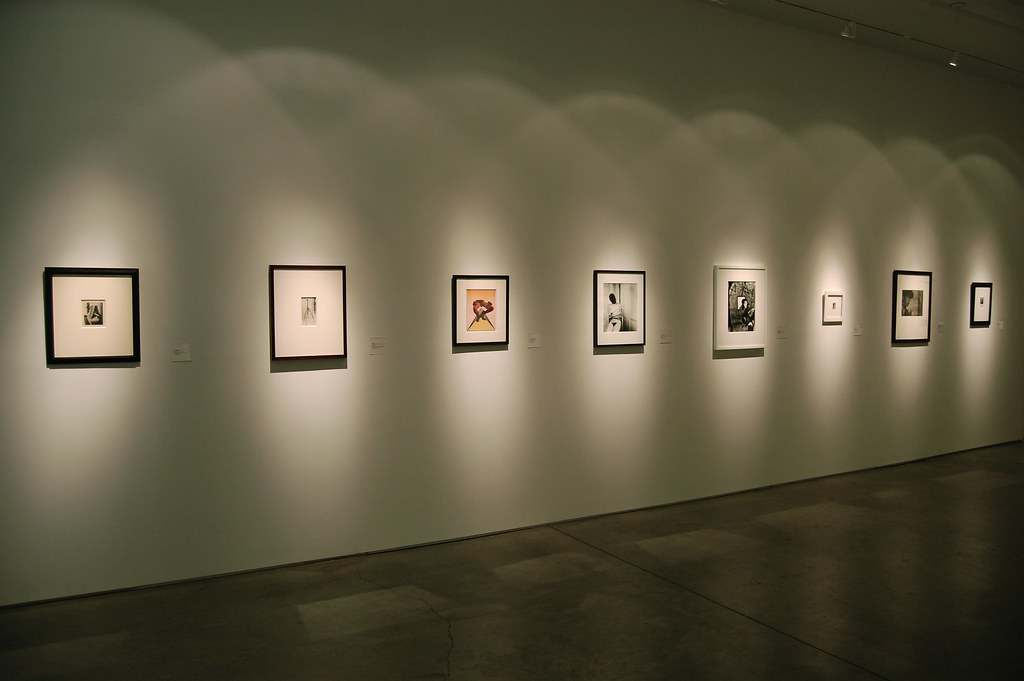
After some New York shows, you can take them to the real gem, Discoveries at Bruce Silverstein Gallery. They've dug into their archives and come out with incredible finds. There's no masterwork here, but there are smart, unusual works; familiar names authoring some unfamiliar images. It's important to note that it closes today, so find a way to swing through Chelsea this beautiful afternoon.


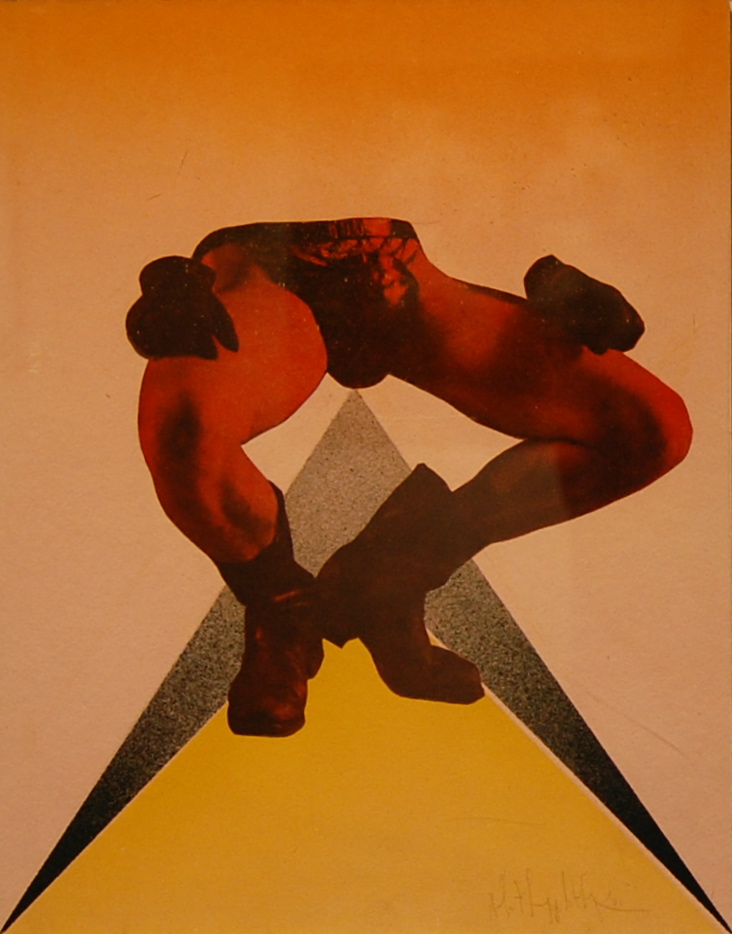
Robert Mapplethorpe, Leather Jockstrap, 1971.

There's a Mapplethorpe from the 1970's cloaked in red against a background of pink and oranges: a repressed, forgotten version of Constructivism that embraced leather culture and fetish photography. Leonard Freed, meanwhile, reminds us that New York used to be even cooler than it is now. Cowboys wandered the streets and cake was only 23 cents.

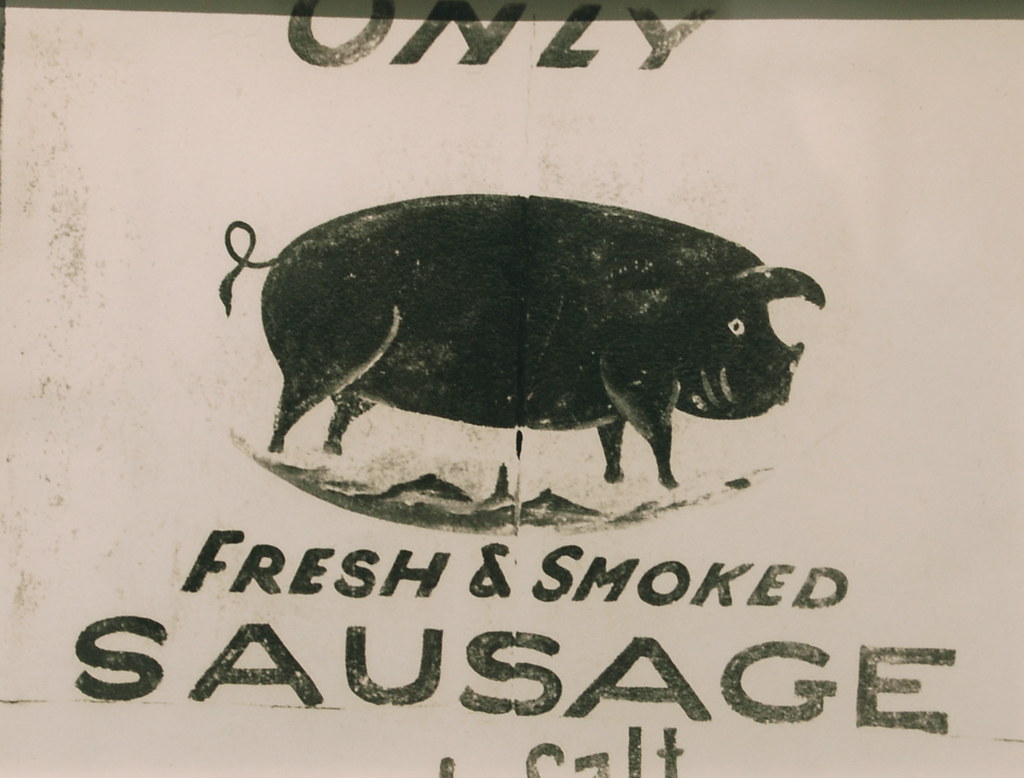
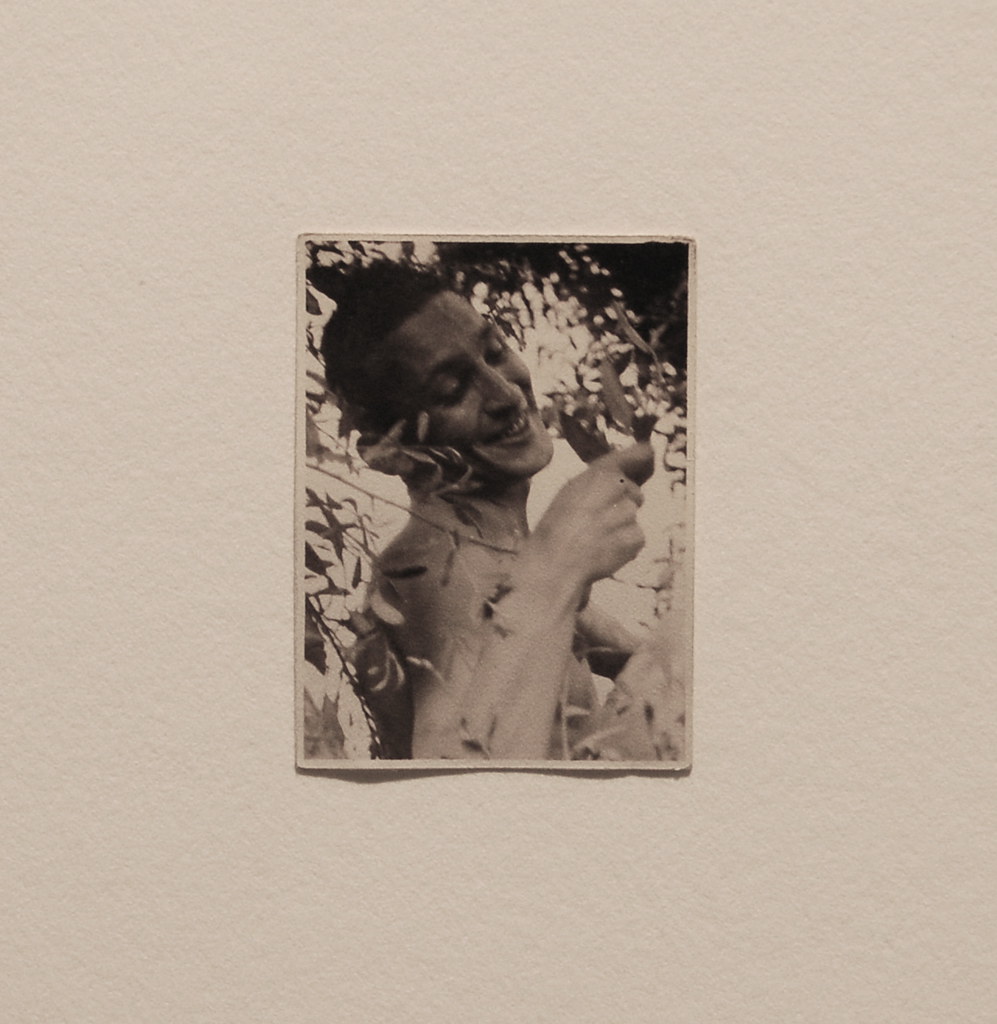
A lot of these, of course, are art historical curiosities. Magritte looks somewhat unsure of himself in front of his camera, less sinister or whimsical than you'd expect the famous surrealist to appear. Jeno Kertész, André's brother plays with some leaves in another image. Robert Frank is in Paris, Bernice Abbott photographs a city house being consumed by vines, and Arbus finds an androgynous teenager about to wield a baseball bat. My favorite, though, is the tiny Walker Evans print, predicting the pork craze seventy years in advance.


Leonard Freed, New York City, USA, 1965.


Rene Magritte, Self-Portrait in his studio, c. 1930.


Walker Evans, Sausage Sign, c. 1936.


André Kertész, Jeno Kertész, 1920.


Discoveries [installation view] at Bruce Silverstein Gallery.

Discoveries: A Special Selection of Extraordinary Photographs from the Gallery's Private Inventory
Bruce Silverstein Gallery
535 West 24th Street
New York, New York
Through August 8, 2009
[more photographs]

Friday, August 7, 2009

Lights Out, Uncle Rudi, Butter, etc. [Collected]


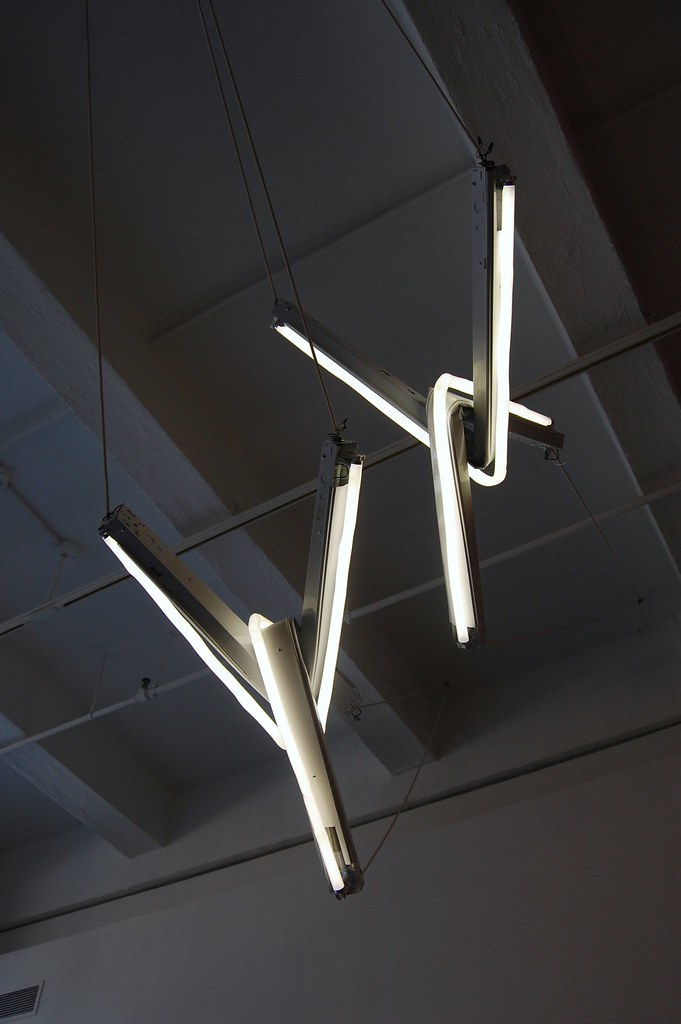
Simon Dybbroe Møller, Gamma Cephei Chandelier, 2008 in My Summer Show at Galerie Lelong, curated by Cristina Delgado. Photo: 16 Miles [more]

Thursday, August 6, 2009

Dorothy Iannone at Anton Kern [Photographs]


Dorothy Iannone, Dinner Music, 1972. Photographs: 16 Miles [more photographs]


Dorothy Iannone, Dinner Music [detail], 1972.

New York has a complete catalogue of the works in the show at Anton Kern. The color of these are pretty remarkable, though, and worth an in-person visit. Iannone has been active for decades but recently came back into view after The Wrong Gallery showed her during their residency at Tate Modern. There's also a nice show of her work at the New Museum right now, which features some great interview clips with her.


Dorothy Iannone [installation view] at Anton Kern.


Dorothy Iannone, This Can't Be Wrong Because I Feel So Wonderful, 2007.


Dorothy Iannone, Metaphor, 2009.

Dorothy Iannone
Anton Kern Gallery
532 West 20th Street
New York, New York
Through August 21, 2009
[more photographs]

Wednesday, August 5, 2009

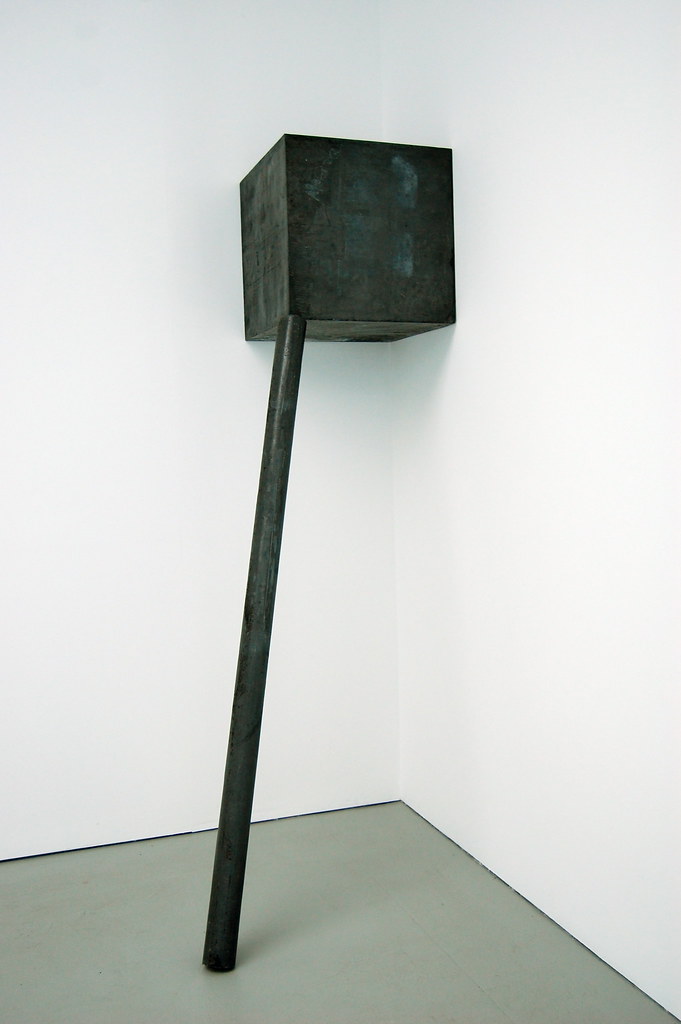
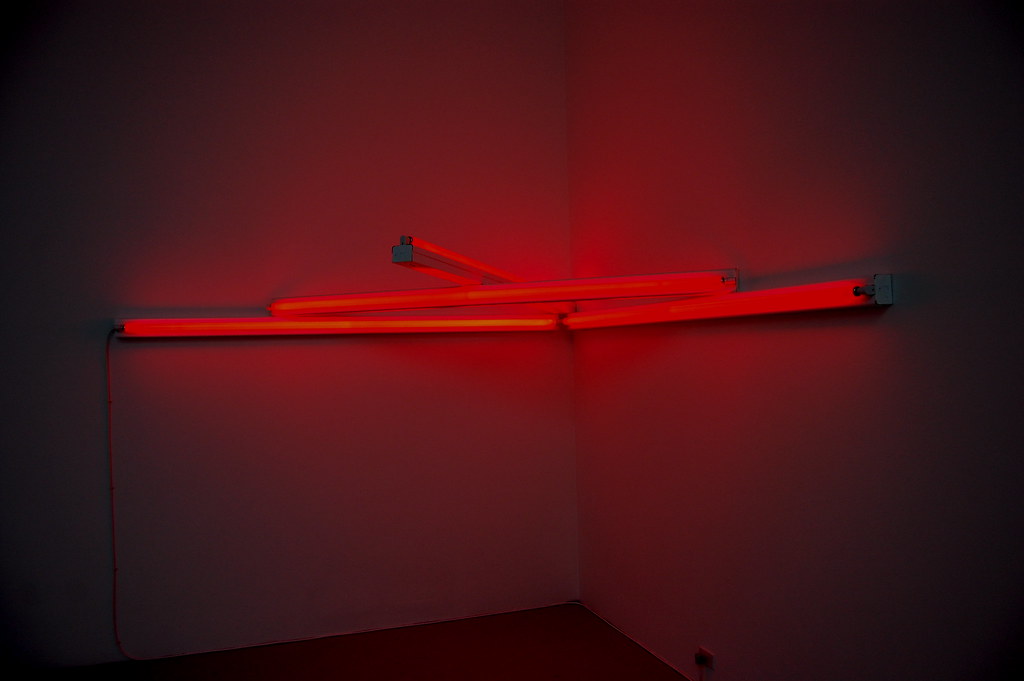
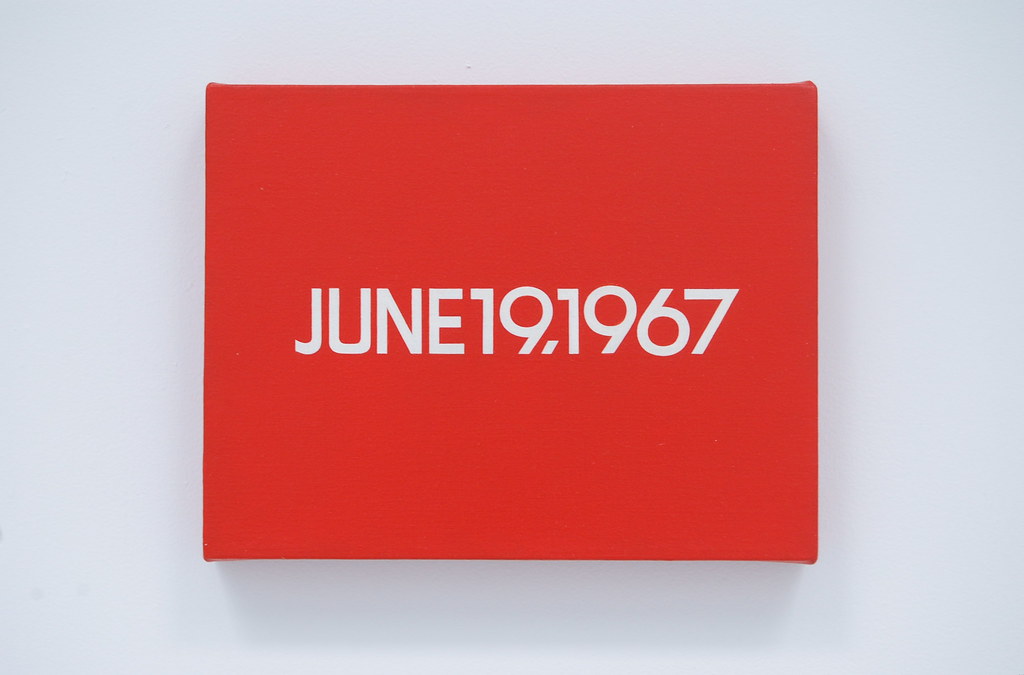
6 Works, 6 Rooms at David Zwirner [Photographs]


Richard Serra, Corner Prop, 1969. Photographs: 16 Miles [more photographs]

"The form of the work in its precariousness denies the notion of a transportable object, subverting the self-referential, self-righteous notion of authority and permanence of objects." - Richard Serra, Artistes, 1980.


Dan Flavin, monument 4 for those who have been killed in ambush (to P.K. who reminded me about death), 1966.

I look on the specious electrical light
Blatant, mechanical, crawling and white,
Wickedly red or malignantly green
Like the beads of a young Senegambian queen.
- Vachel Linday, "A rhyme about an electrical advertising light," submitted by Flavin for the Primary Structures show at The Jewish Museum in 1966, which featured monument 4 those... .


On Kawara, June 19, 1967 from Today Series, No. 108, - “Black Power in the United States”, 1967.


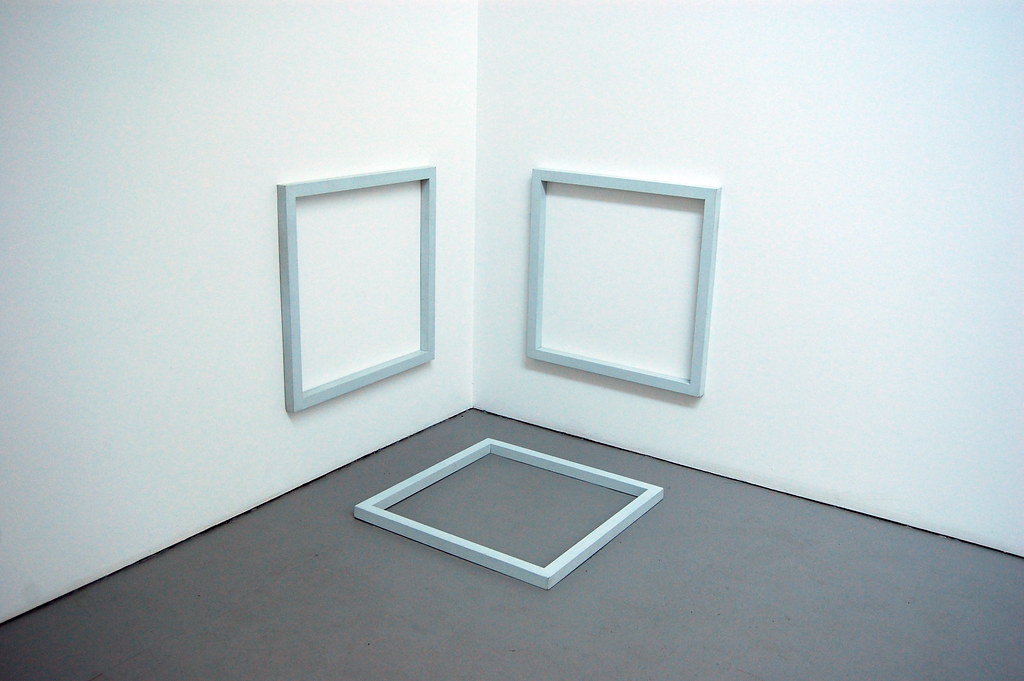
Sol LeWitt, Wall / Floor ("Three Squares"), 1966.


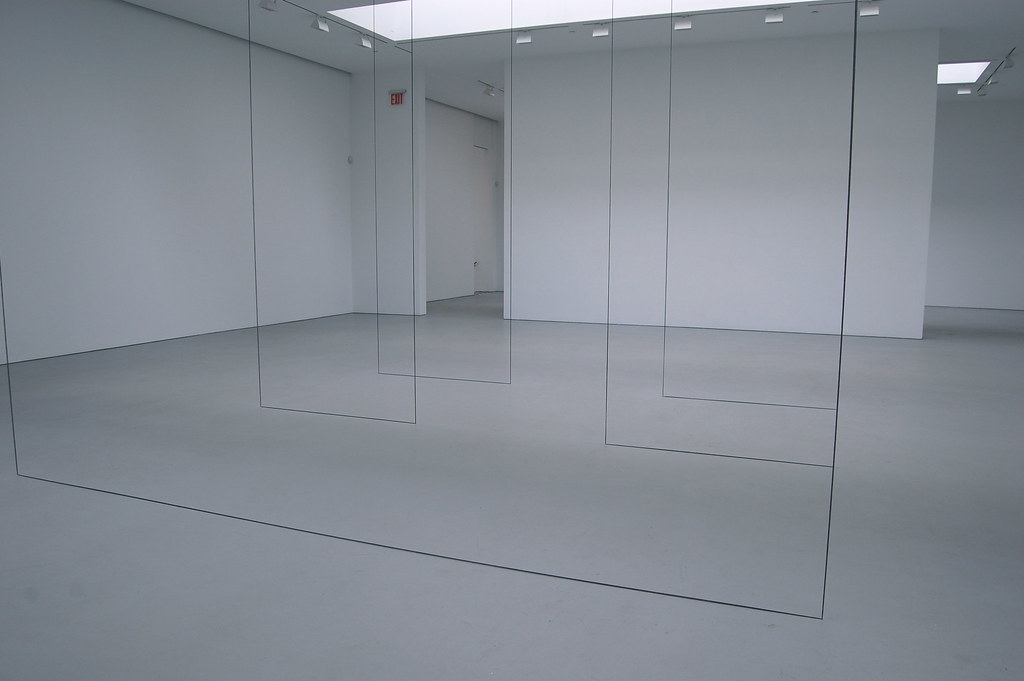
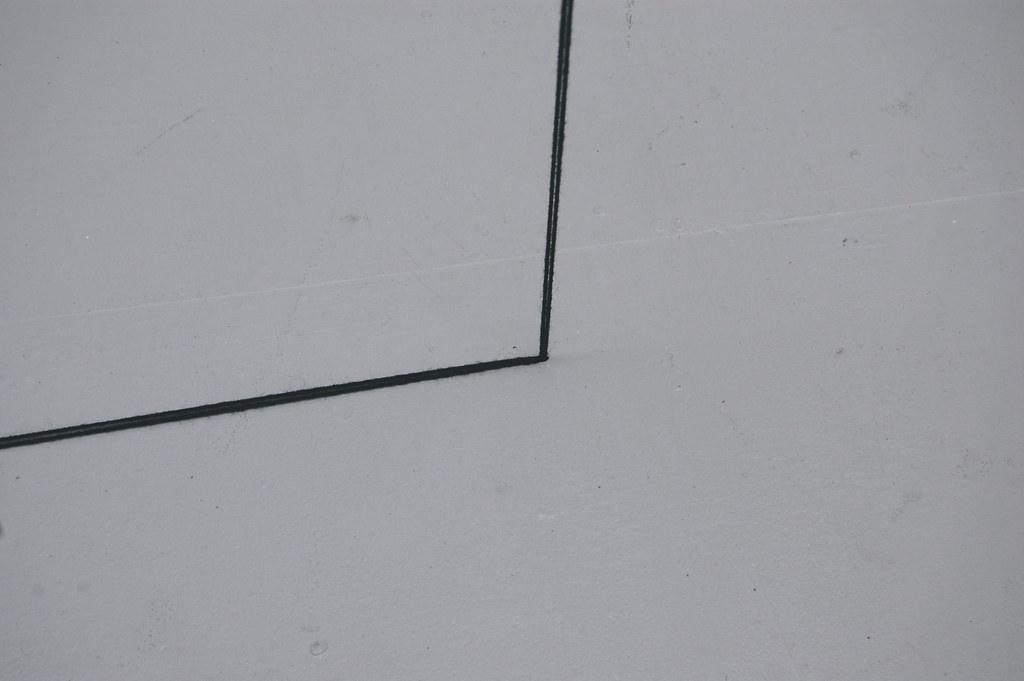
Fred Sandback, Untitled (Sculptural Study, Five-part Construction), 1987 / 2009.

"When I got to the galleries with the installations of his work, I started to cry. I sat down on a bench there, and I wept." - Andrea Fraser, Grey Room 22, 2005


525 West 19th Street
New York, New York
Through August 14, 2009