Showing posts with label Gladstone. Show all posts

Friday, July 30, 2010

Gladstone Brings a Dash of Minneapolis to Chelsea


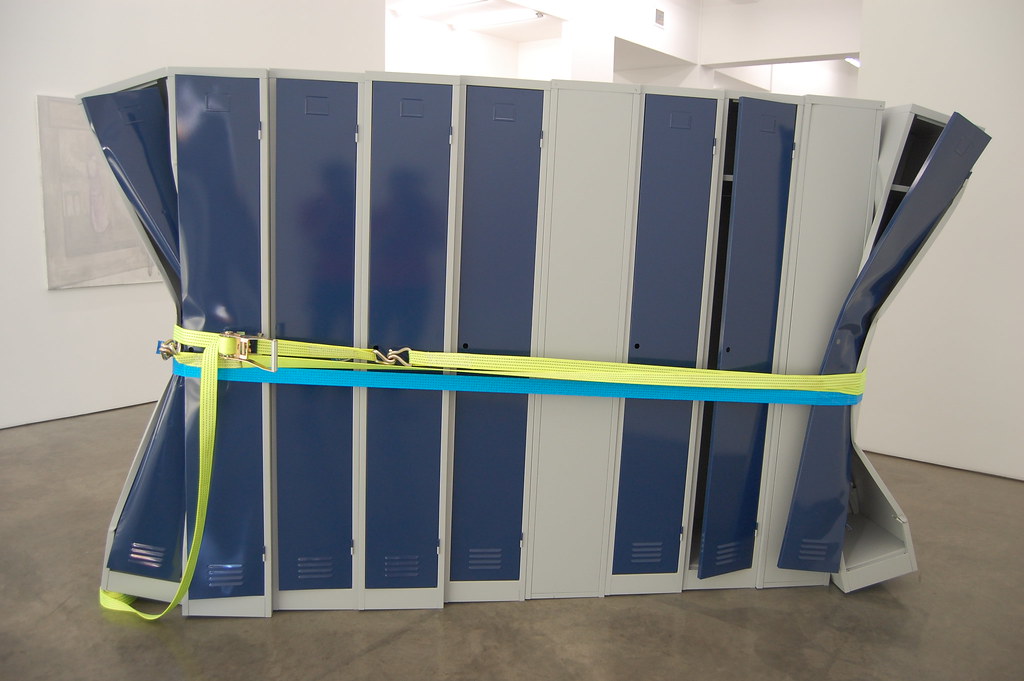
Matias Faldbakken, Untitled (Locker Sculpture #01), 2010. Metal lockers and lever straps, 72 1/4 x 122 3/4 x 23 in. Photos: 16 Miles [more]

One of this summer’s most enjoyable group shows is, without question, Gladstone Gallery’s “The Mass Ornament,” curated by John Rasmussen, the executive director of Midway Contemporary Art, a nonprofit gallery he founded in 2001 in Minneapolis. The show features work by a fair number of artists that Rasmussen showed at Midway over the past decade, including Maha Saab, Ned Vena, Patricia Esquivias, Matias Faldbakken, Lisa Lapinski, Patrick Hill, Gedi Sibony, Jay Heikes, and Michaela Meise. Those aren’t exactly unknown names on the New York art scene (many are represented by galleries in the city and some live there, though Heikes lives in Minneapolis), but it’s still a fairly unconventional group to find assembled together in a single Chelsea gallery.

I’ve reviewed “The Mass Ornament” for Modern Painters' Weekend Reviews section and included some photographs of the show below. However, the truly exciting bit of news is that I am in Minneapolis right now and will be visiting Midway today to see its current show, Pennacchio Argentato’s “The New Boring,” completing an imaginary cultural exchange program. (As always, I ask that you please refrain from burgling my home while I am away.)

If you have recommendations for galleries or museums I should visit while in Minneapolis, please drop me an email or let me know on Twitter!
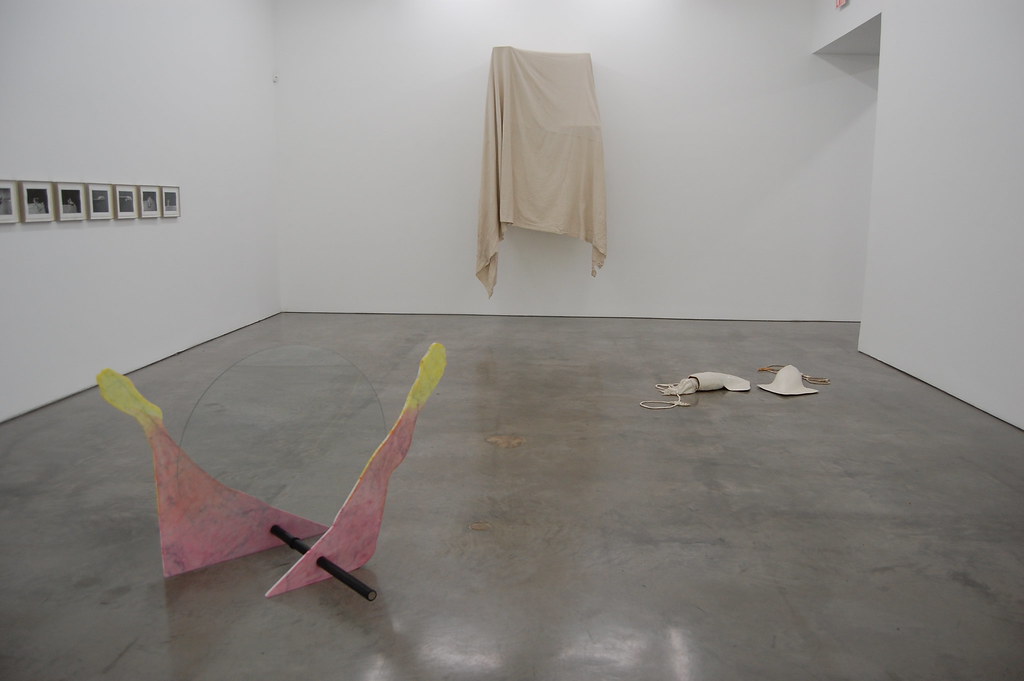

Installation view of "The Mass Ornament." Front, Patrick Hill, Bloom, 2010. White Carrara marble, glass, rubber, polished steel, dye, and glue, 36 x 51 x 49 1/4 in.
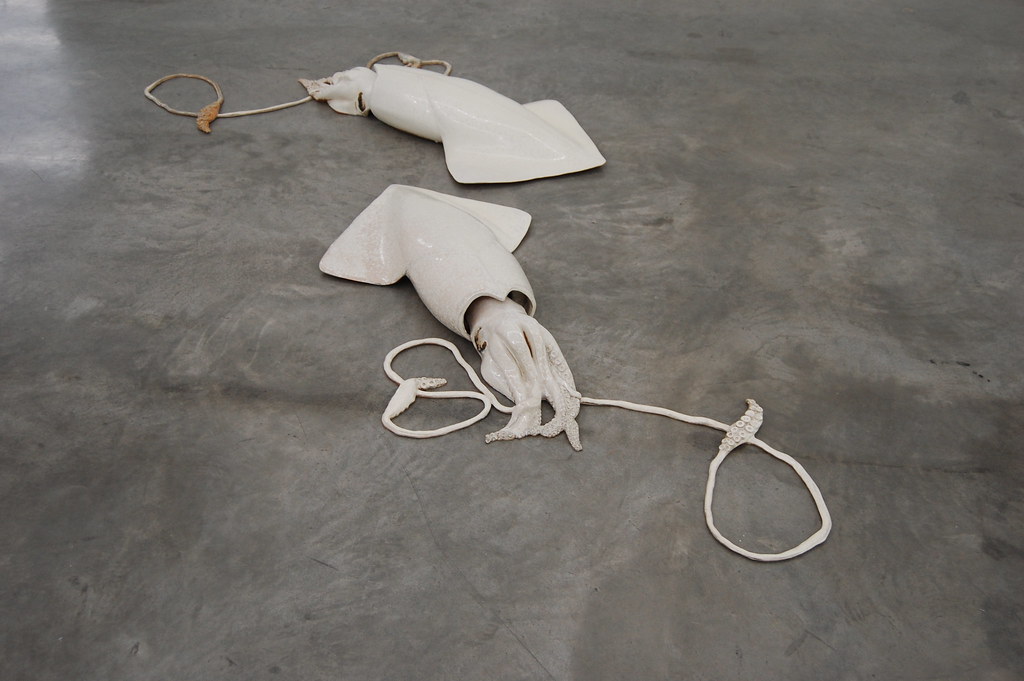

David Zink Yi, Kopffüsser VII ("Cephalopod VII"), 2009. Porcelain, dimensions variable.
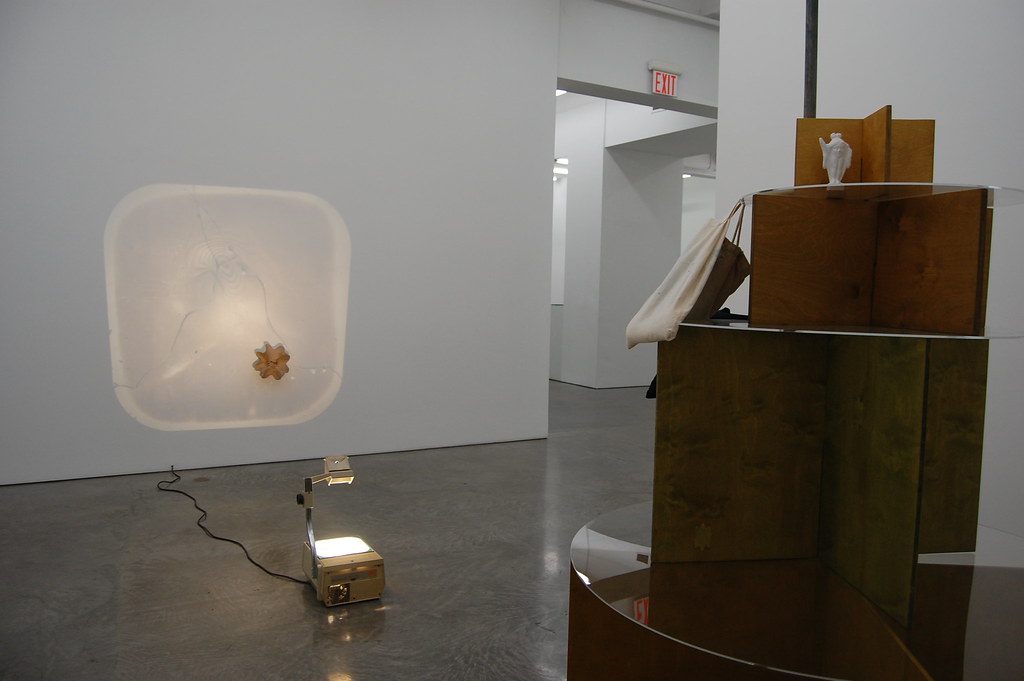

John Williams, Cosmic Ass Wrinkle, 2003. Oyster shell, acrylic bowl, wire, clay, and overhead projector, dimensions variable. Michaela Meise, Tour de Corps, 2010. Wood, Plexiglas, and mixed media, 95 1/2 x 59 x 59 in.
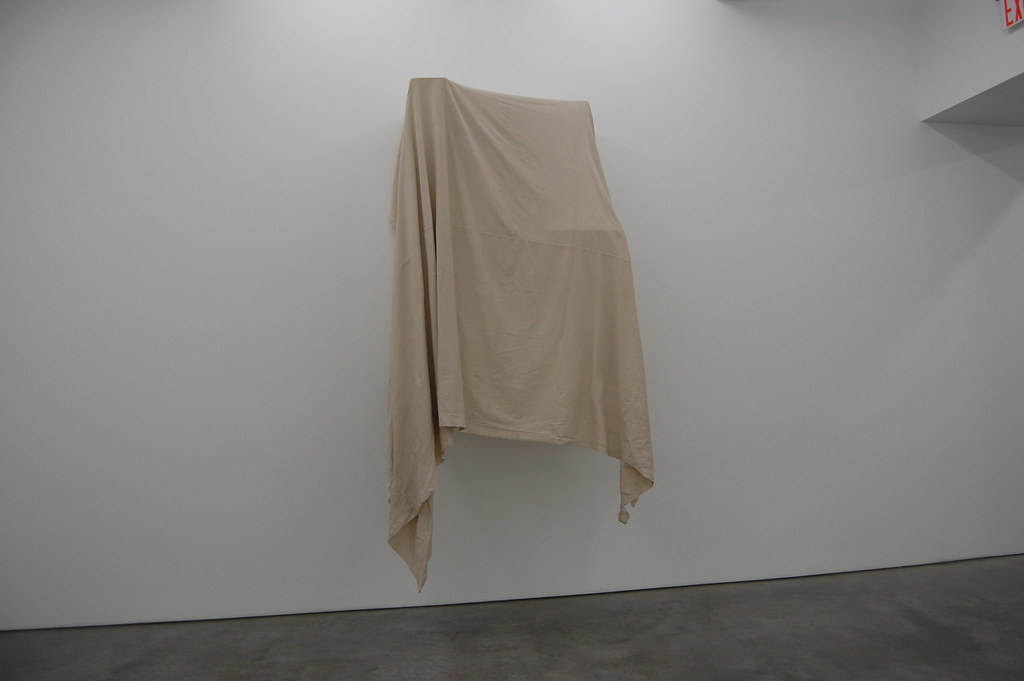

Gedi Sibony, The Predicament (What It Is That Ceases) 2006-2010, 2010. Canvas dropcloth, foamcore, shelf bracket, and plywood shelf, 120 x 67 x 37 1/4 in.
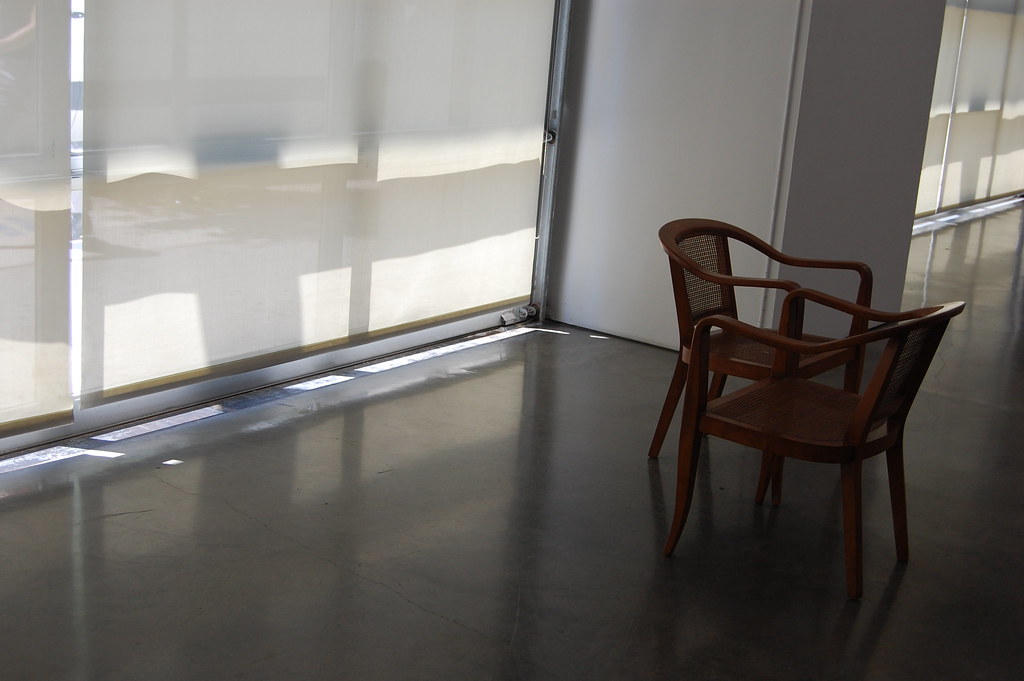

Nick Mauss, Untitled (Inversions/L'Amitie), 2010. Wood, lacquer, and stain, 29 x 56 x 29 in.

"The Mass Ornament," curated by John Rasmussen
Gladstone Gallery
515 West 24th Street
New York, New York
Through August 13, 2010

Wednesday, July 28, 2010

Ned Vena Is Having a Great Summer


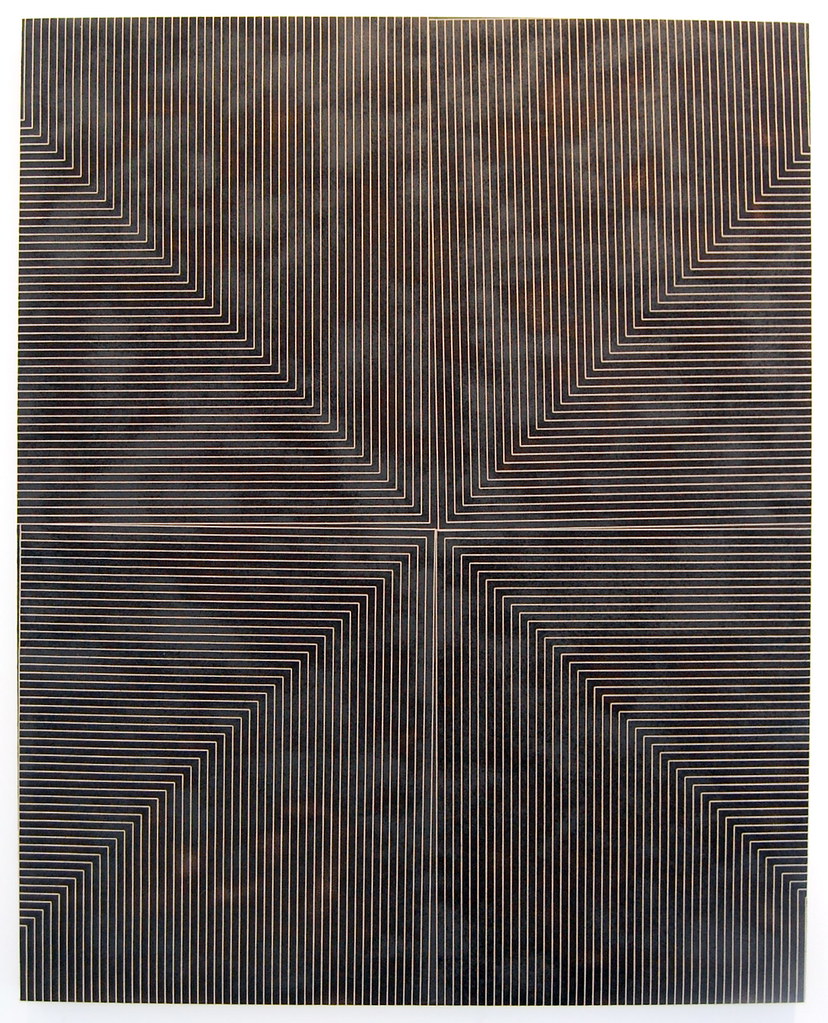
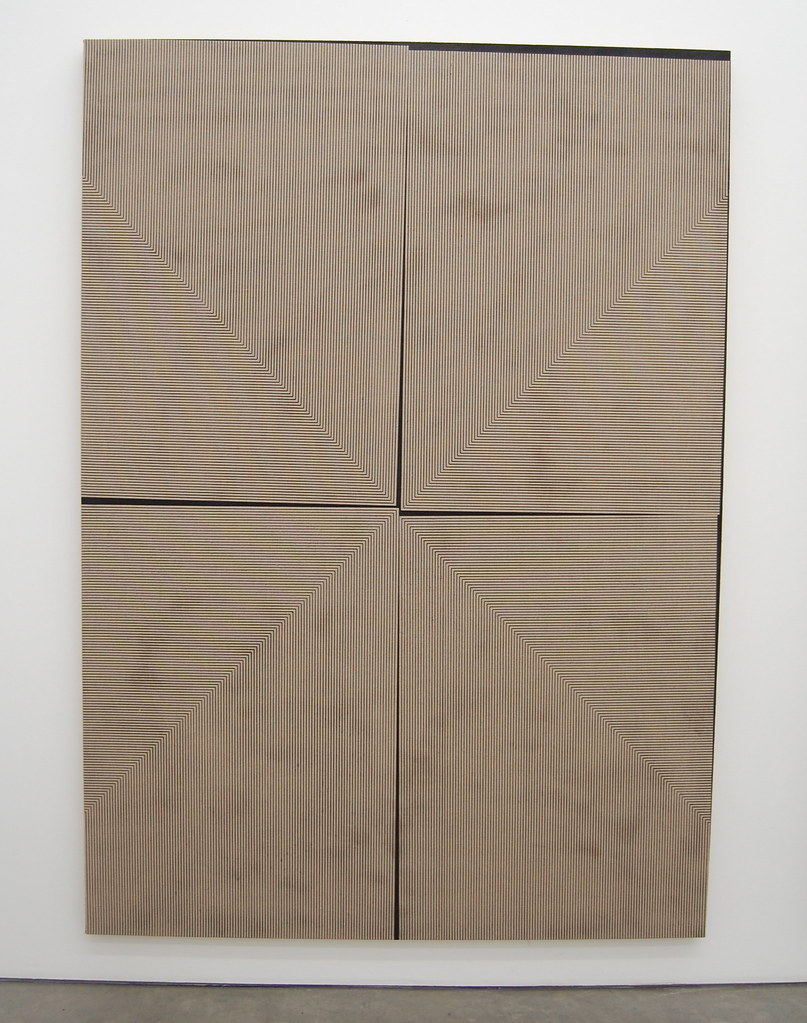
Ned Vena, Untitled, 2010. Rubber on linen, 82 1/8 x 58 1/8 in., in "The Mass Ornament" at Gladstone Gallery, New York. Photos: 16 Miles [more]

It can be awkward when two people show up at a party wearing the same outfit. However, when two New York galleries happen to show work by the same artist in their summer group shows, there is no need for embarrassment: gallery visitors get the opportunity to see similar art in different contexts — and they get to learn whose work has been earning supporters. In “Having a Great Summer,” we’ll take a look at a few of the artists with work in two or more New York group shows right now.

First up in the series is New York-based Ned Vena, whose large, untitled abstractions are on view in two of the season’s most pleasurable group shows, Gladstone’s “The Mass Ornament,” curated by Midway executive director John Rasmussen, and Nicole Klagsbrun’s “Shape Language,” curated by the gallery’s Natalie Campbell. Vena made the smart decision to make work by taking Frank Stella’s early, very spare paintings, tighten their lines and apply those lines (just a little bit off balance) with a vinyl stencil: great stuff, worth showing in two (or three or four) galleries.

Rasmussen exhibited Vena’s work at Midway in 2009 and explained Vena’s process as follows:
These works are constructed through a multi-stage process in which gesso is brushed onto the surface of the linen, followed by a layer of rolled on white rustoleum, an application of vinyl stenciling, the rolling of additional layers of enamel onto the surface, and finally the removal of the vinyl.


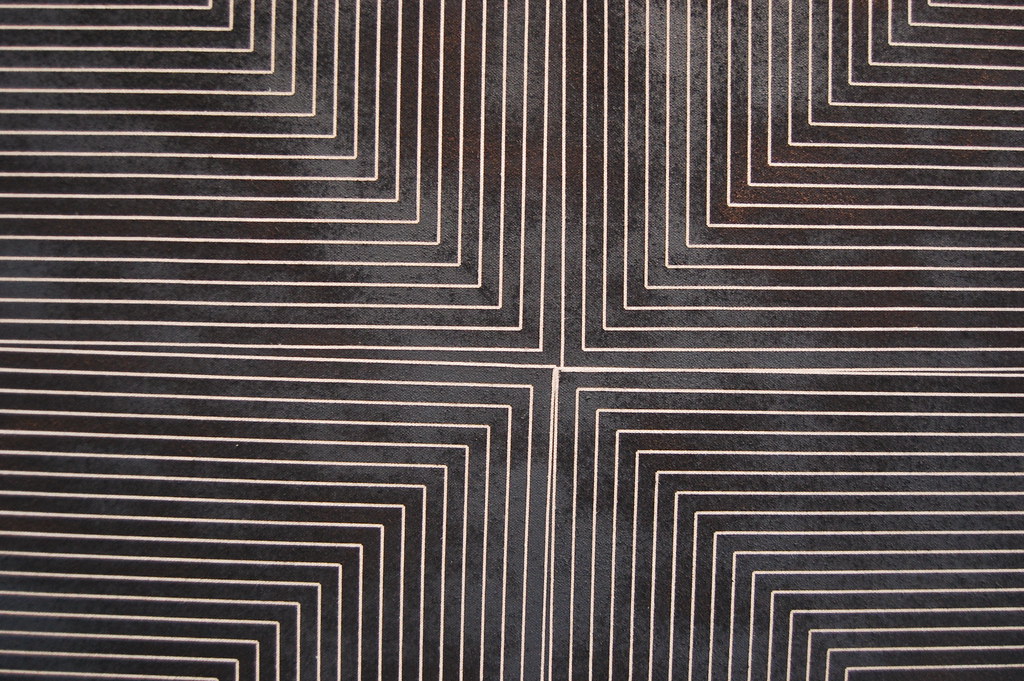
Ned Vena, Untitled, 2010. Rubber on linen, 60 x 48 in., in "Shape Language" at Nicole Klagsbrun, New York. [more]


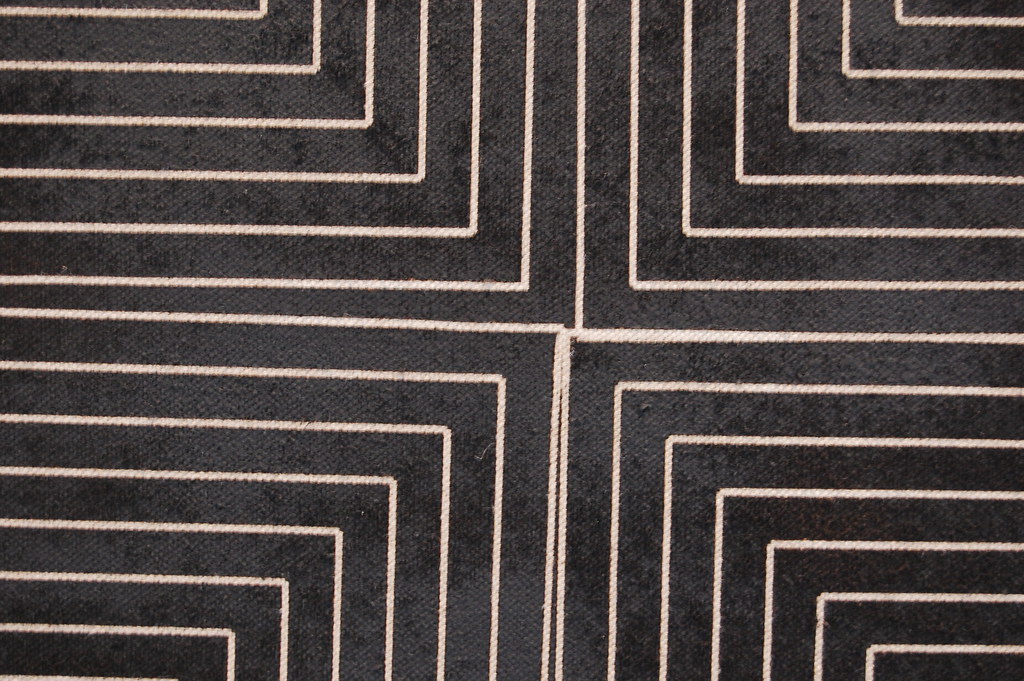
Detail view of Ned Vena, Untitled, 2010. Rubber on linen, 60 x 48 in., in "Shape Language."


Detail view of Ned Vena, Untitled, 2010. Rubber on linen, 60 x 48 in., in "Shape Language."

Wednesday, April 15, 2009

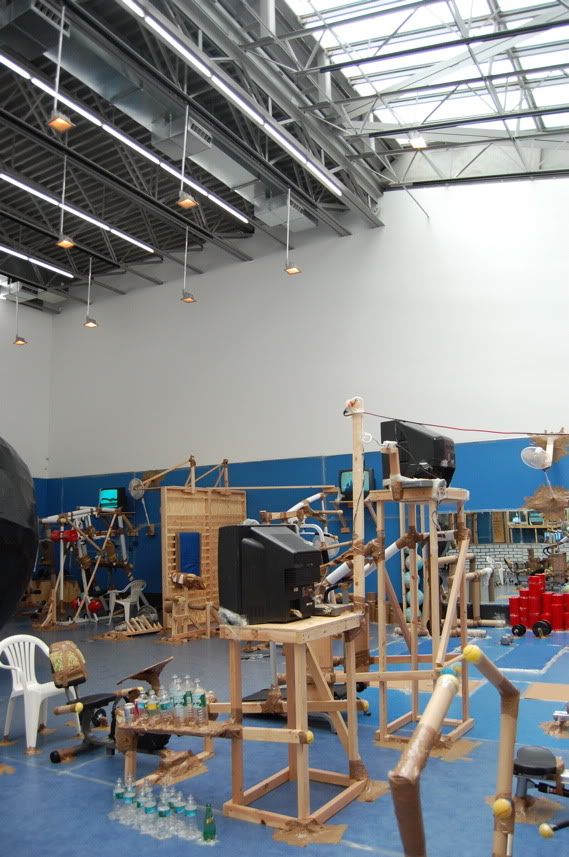
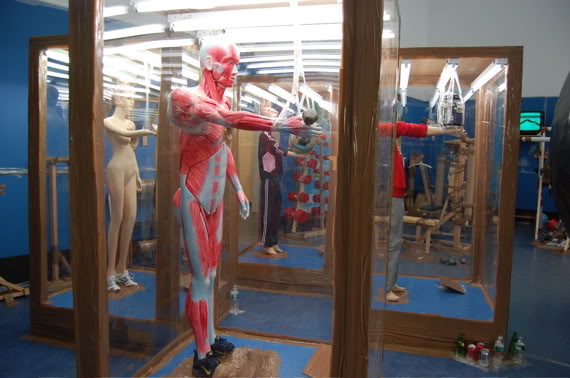
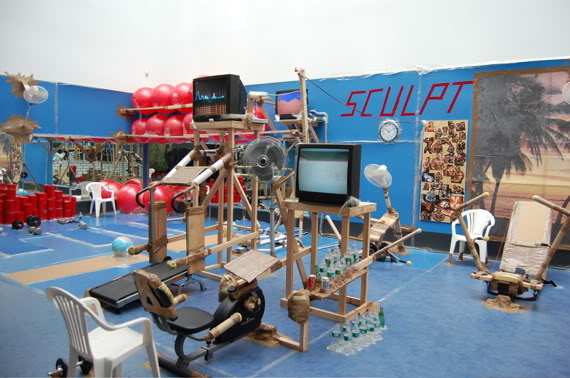
Thomas Hirschhorn, Universal Gym, at Gladstone Gallery [Photographs]


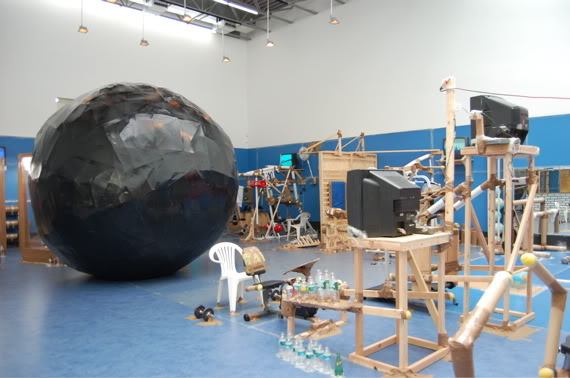
Thomas Hirschhorn, Universal Gym [installation view], 2009. Photo: 16 Miles [more]


Thomas Hirschhorn, Universal Gym [installation view], 2009. Photo: 16 Miles [more]


Thomas Hirschhorn, Universal Gym [installation view], 2009. Photo: 16 Miles [more]


Thomas Hirschhorn, Universal Gym [installation view], 2009. Photo: 16 Miles [more]

Thomas Hirschhorn, Universal Gym
Gladstone Gallery
530 West 21st Street
New York, New York
Through April 11, 2009

Wednesday, January 14, 2009

Arte Povera is Everywhere (in Chelsea)


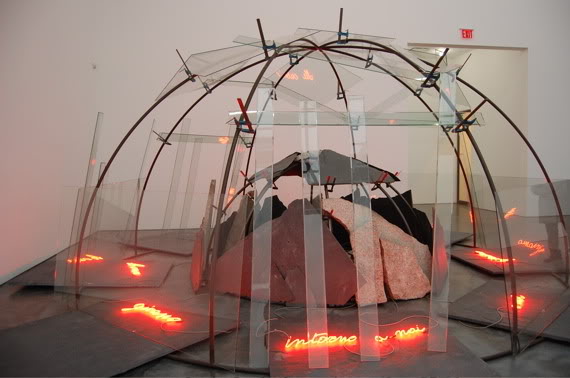
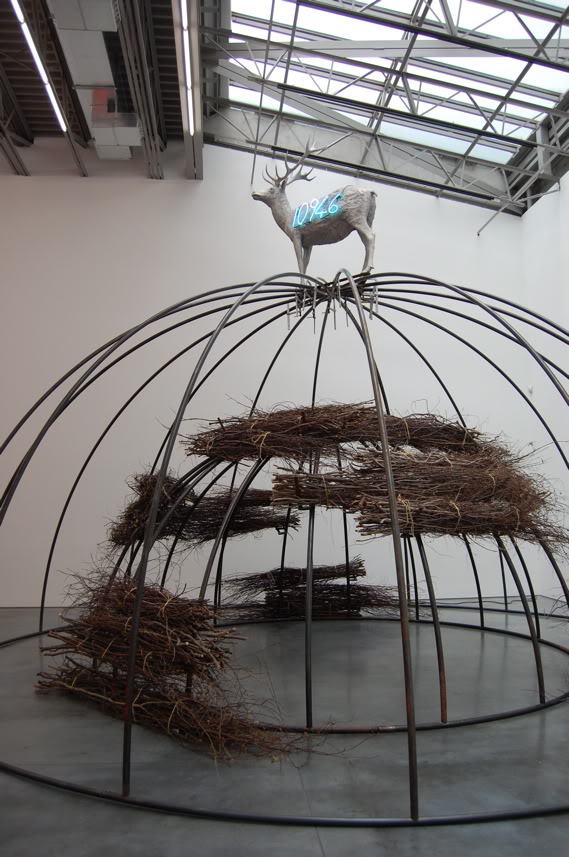
Mario Merz, Le case girano intorno a noi o noi giriamo intorno alle case?, 1992, at Gladstone Gallery.

Mario Merz has some huge works up at Gladstone Gallery. Michelangelo Pistoletto just finished his first show at Luhring Augustine. The recent, wonderful ZERO in New York show at Sperone Westwater had pieces by Piero Manzoni and Lucio Fontana, among others. All of the sudden, Arte Povera is everywhere. 

In less than two weeks, Gagosian will open a Manzoni retrospective on 24th Street.  It's tempting to draw the obvious analogies between the movement's original ethos and the current state of the economy, but these shows were, of course, planned well before the dip in the art market.  More to the point, most of the artists' recent work has also simply embraced the market's desire for massive, repetitious work.  Merz's igloos, for one, have become enormous.  For better or worse, there's not an impoverished thing in sight.

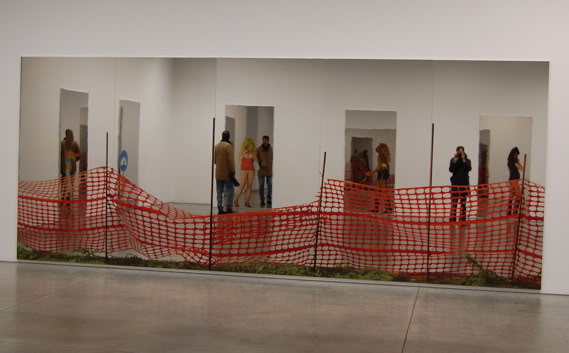
That said, even if Pistoletto is just repeating the painted mirrors he's been producing for years, I still think they're wonderful.  I can never resist the opportunity to stare at myself.

Side note: I didn't realize that Manzoni died at twenty-nine (thank you, Gagosian press release)!  A reminder that the art market has been championing the super-young for quite a while. 


Mario Merz, Untitled, 1998


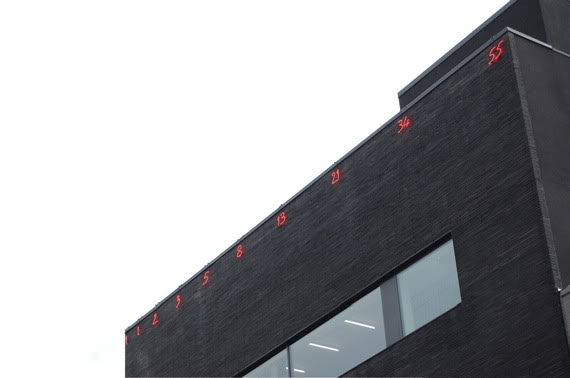
Mario Merz, Fibonacci sequence, 2002, at Gladstone Gallery.


Michelangelo Pistoletto, Lavori in corso (Construction site), 2008, at Luhring Augustine.